20-Foot Dry Bulk Liners vs Individual FIBCs for Pellets
If the receiver handles individual bags only, quote the dual-spout FIBC first. A 20-foot bulk liner is a separate option when both sites have suitable bulk filling and discharge equipment. Compare the net shipped quantity, receiving steps and residue before choosing a container or bag solution.
Before requesting a sample
- The starting specificationChoose bulk unload or individual FIBC discharge based on equipment at the receiver. If the receiver lacks the approved interface for bulk discharge, the liner can create a handling problem despite an attractive shipment quote.
- Inputs for your first reviewGet a receiver's equipment sketch and written constraints before deciding.
The receiver’s unloading equipment
Qingdao Novapack Packaging Co., Ltd. supplies these catalog options. Send your specifications so we can identify the construction, sample details and records you need for the quoted product.
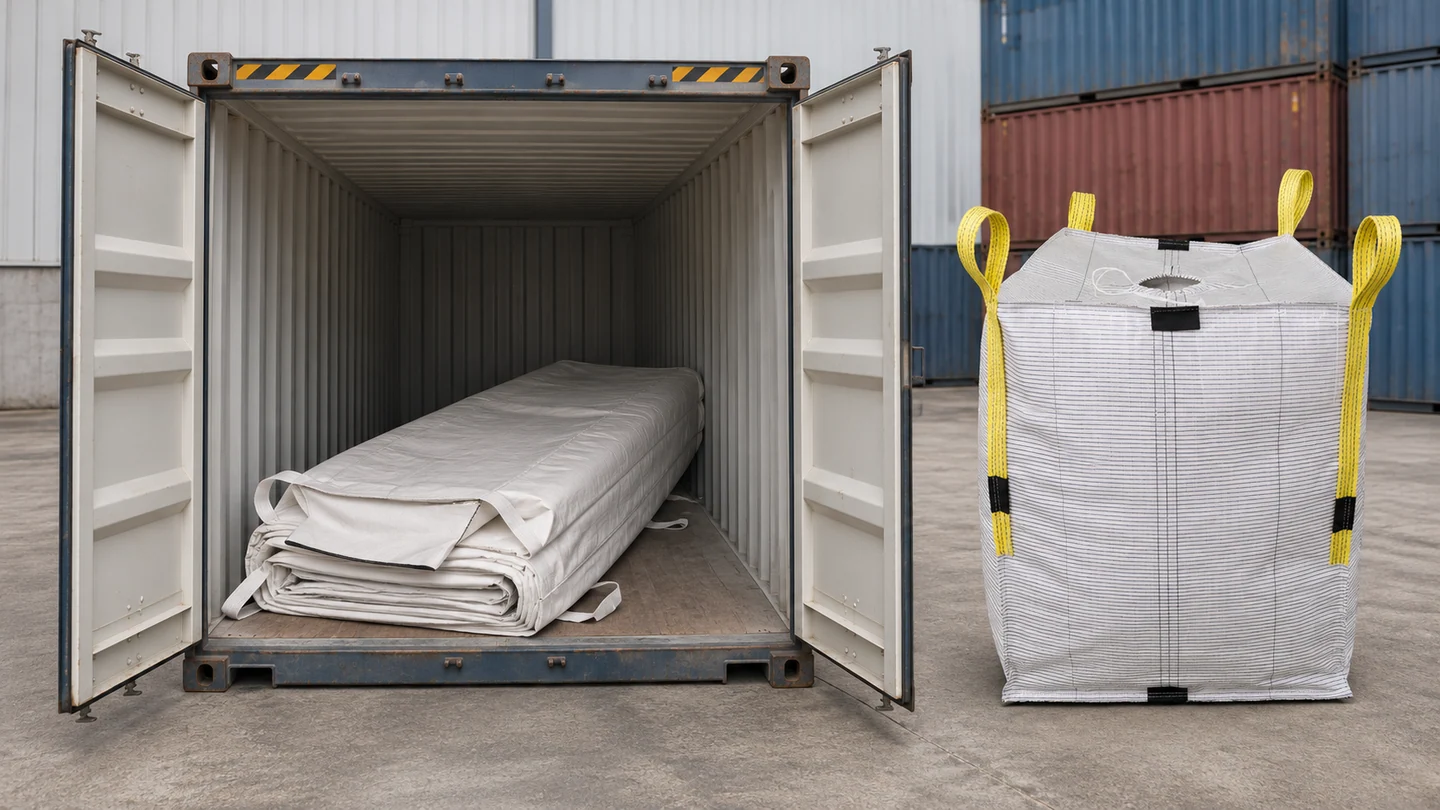
Write down the actual discharge method at the receiving site. Check whether it can handle an individual bag, unload loose material from a container or perform both tasks.
If the receiver lacks the approved interface for bulk discharge, the liner can create a handling problem despite an attractive shipment quote.
Use the result to rule out unmatched models before requesting a production quote.
List the receiving equipment before comparing price. A 20-foot liner routes loose pellets through bulk receiving. Individual units give the receiver a bag-by-bag unloading sequence.
Compare catalog candidates
| Catalog candidate | What the description shows | What to confirm for your order |
|---|---|---|
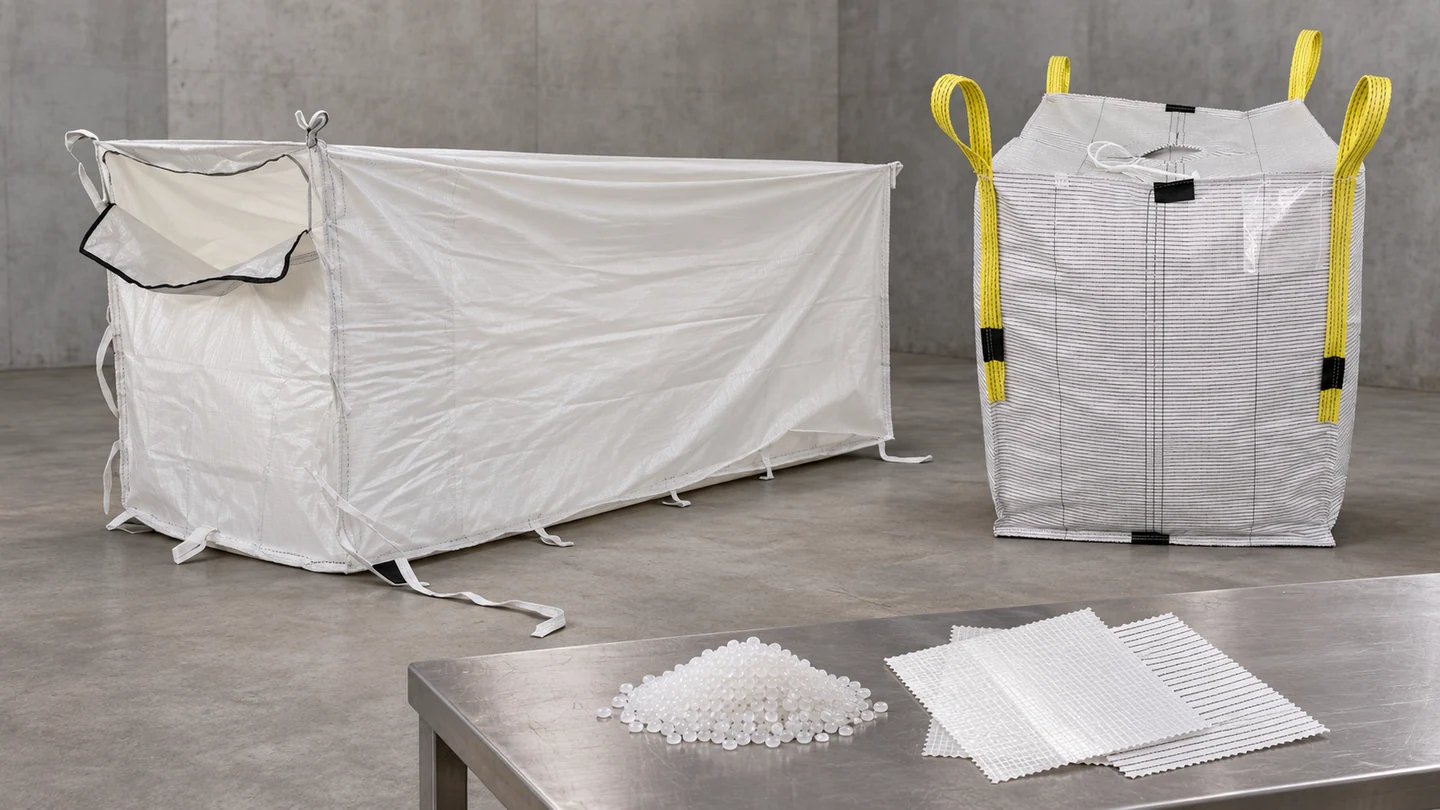
| Custom White 20 ft Container Liner Bag for Transport with Flat Bottom and Choice of Filling Top | 20-foot format with open, spout and duffle top choices described | Ask for exact compatible container, liner anchorage and loading and discharge equipment |
| Custom-Printed PP FIBC with Dual Spouts for Mineral and Plastic Pellet Shipments | Dual-spout woven PP listing for mineral and pellet shipments | Confirm sleeve interfaces and per-bag design for a receiver handling individual units |
Technical reference IMO cargo packing and securing guidance
Container Liner and Bag Conversion
The container liner is assembled to match the container envelope and specified openings or attachment points. Individual bags use a woven body and their own fill and discharge sleeves. Ask for two fit drawings and one equipment description from each site so you can validate the selected method end to end.
Technical background PP tape for woven packaging and FIBC fabric
Use the spout measurement approach
Fitted PE and Aluminum-Film Liners for Existing FIBCsA container liner depends on its geometry, opening, attachments and closure. A multi-bag shipment depends on the approved FIBC build and the number of separately handled units.
Ask for drawings and packing assumptions for both configurations.
The bag candidate for individual discharge
Use our dual-spout pellet bag as a construction reference. Share the top fill connection, the receiving line and the pellet specifications to check both ends of the route.
- Check the individual discharge interfaceAsk whether a chosen FIBC sleeve reaches the receiving equipment. Review access to closure and fit at the expected net load before estimating unload time.
- Acceptance recordRecord the receiver's approved handling method and the exact bag geometry.
The liner and the container drawing
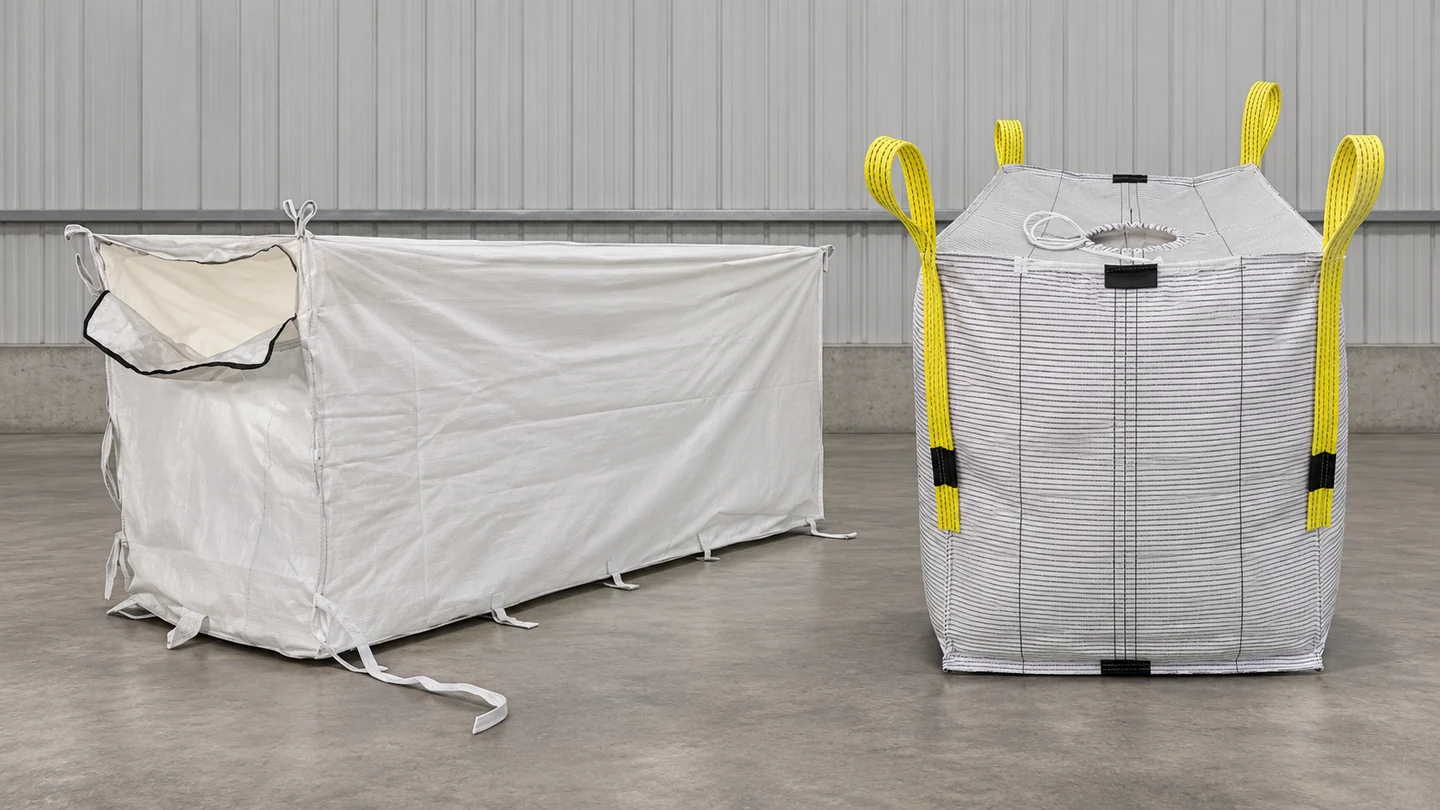
Pass the internal container dimensions and access details to the supplier. Ask for the exact liner drawing and loading and discharge requirements that go with the quote.
| Technical check | Use the actual container opening and internal dimensions, along with the receiver's required outlet location. Identify who approves the attachment and bulk unloading arrangement. |
|---|---|
| For approval | Get a liner drawing against the actual equipment and container combination. |
Pellet containment throughout the shipment
Include the exposure limits for the pellets and the closure needed for each transport stage. Ask the teams at both sites to agree how they will inspect arrival and confirm the lot.
Log any loss at loading, during transfer, at opening and at the final receiver. Make visible whether loss comes from a joint, sleeve, or handling step.
Use actual pellet grade and a consistently defined inspection point for each candidate.
Interfaces at the container opening
Keep one sketch for loading and another for receiving. Mark the equipment shown on the facility drawings and agree who approves the container liner configuration.
- Confirm real working envelope at the doorsAn opening dimension on a drawing may omit hardware and access needed for release. Include the receiver's available space and the approved opening method.
- Acceptance recordKeep a marked clearance sketch and request factory interface review.
Costs on a common shipment basis
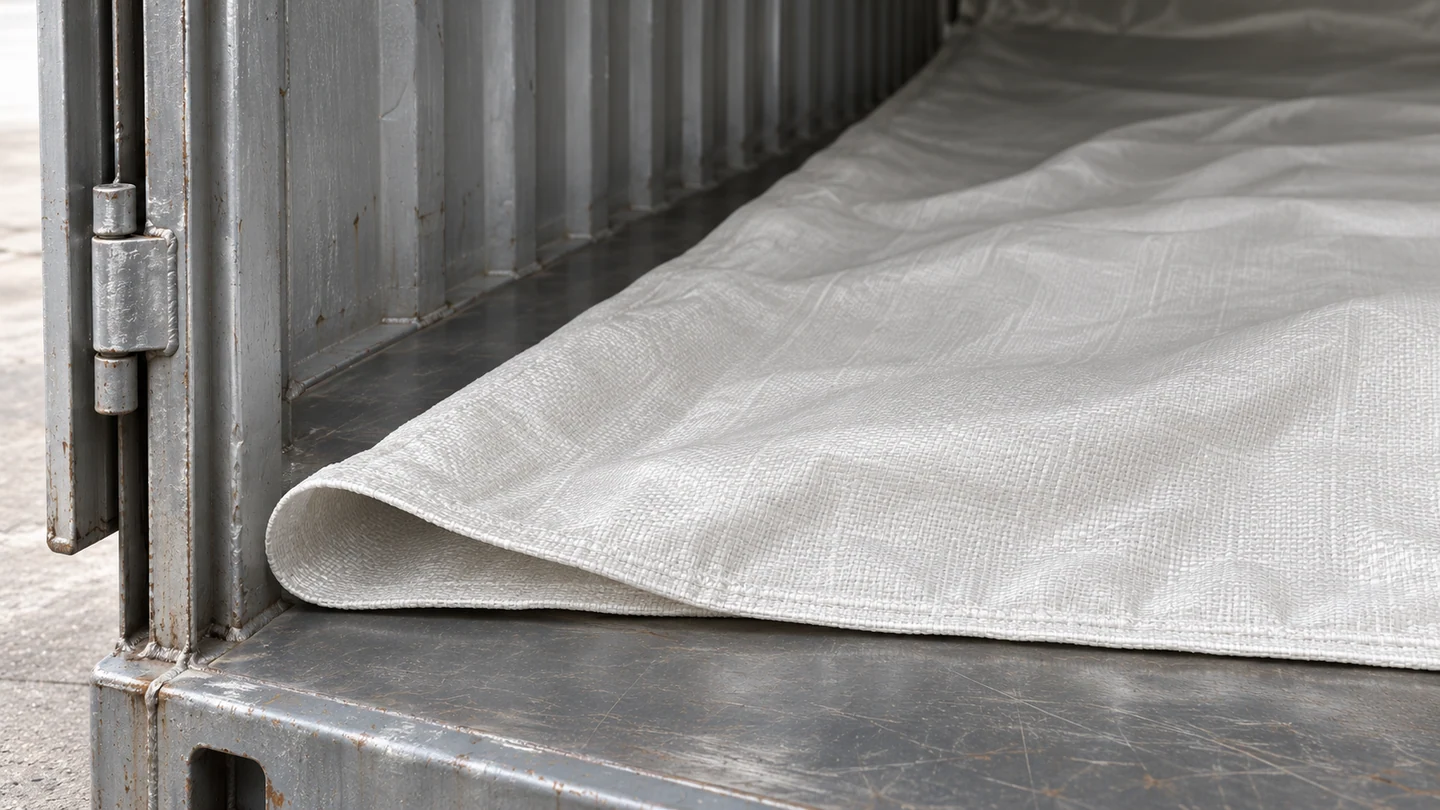
Compare package cost, number of handling steps, required equipment and remaining product on the same net shipment. Include any investment the receiver needs for bulk discharge.
| Technical check | Normalize delivered usable mass, packaging, loading, receiver labor and any obligation to dispose of or return packaging. Compare both quotes at the same destination. |
|---|---|
| For approval | Attach quantities, packed dimensions and cost assumptions to the decision sheet. |
A trial using the actual pellets
Ask both sites to record the result of the proposed process. Record condition of bags or liner, loss or contamination observations and material remaining at the end.
- Run a receiver-centered trialAgree pellet grade, loading and receiving conditions and the measurement of retained material. Reconcile actual quantity received with the mass on shipping documents.
- Acceptance recordSave fill, discharge, residue and timing observations alongside the candidate identification.
A quote with the receiver’s restriction
Send the pellets, container type, available loading and unloading equipment and batch sizes. Put the individual-bag requirement at the top of the enquiry.
Send pellet data, actual 20-foot container configuration, receiver opening and equipment, and shipment volume.
Ask for separate liner and FIBC quotes showing their assumptions and acceptance items.
Contact and Quote Details
Send your specification or a reference sample and include the order quantity and destination. Use the inquiry form to start your request. Send drawings or sample photos by email.
- Contact the Qingdao teamTell us what you pack or protect, and identify the operating condition that makes or breaks your purchase. Put the reference sample or drawing number in the message subject so it stays with the order.
- What the factory can reviewAttach the necessary evidence and ask for a sample, drawing review or quotation as the first deliverable.
Junfeng Road, Qingdao, Shandong, China
- [email protected]
- +1 404 203 0971
- Phone
- +86 18506421208
Continue your review
Use exact liner grade, closure and fit to request a comparison sample.
Prepare the quote, sample count, artwork decision and delivery information on one request.
Include a drawing or current bag reference, what you pack, the equipment, quantity and delivery destination.