
FIBC Procurement for Repeated Trips Between Two Sites
For a bag that makes repeated trips between two sites, map the full route and agree inspection and retirement criteria before you buy. Start with the bag geometry you need, then request evidence for the proposed repeated-use construction and its actual fill, lift, unload and return conditions.
Before requesting a sample
- The starting specificationDocument where the bag travels, how it is emptied and who controls empty inspection and return. A repeated route needs ownership at both ends.
- Inputs for your first reviewName a responsible team at each handoff and agree one traceable bag identifier.
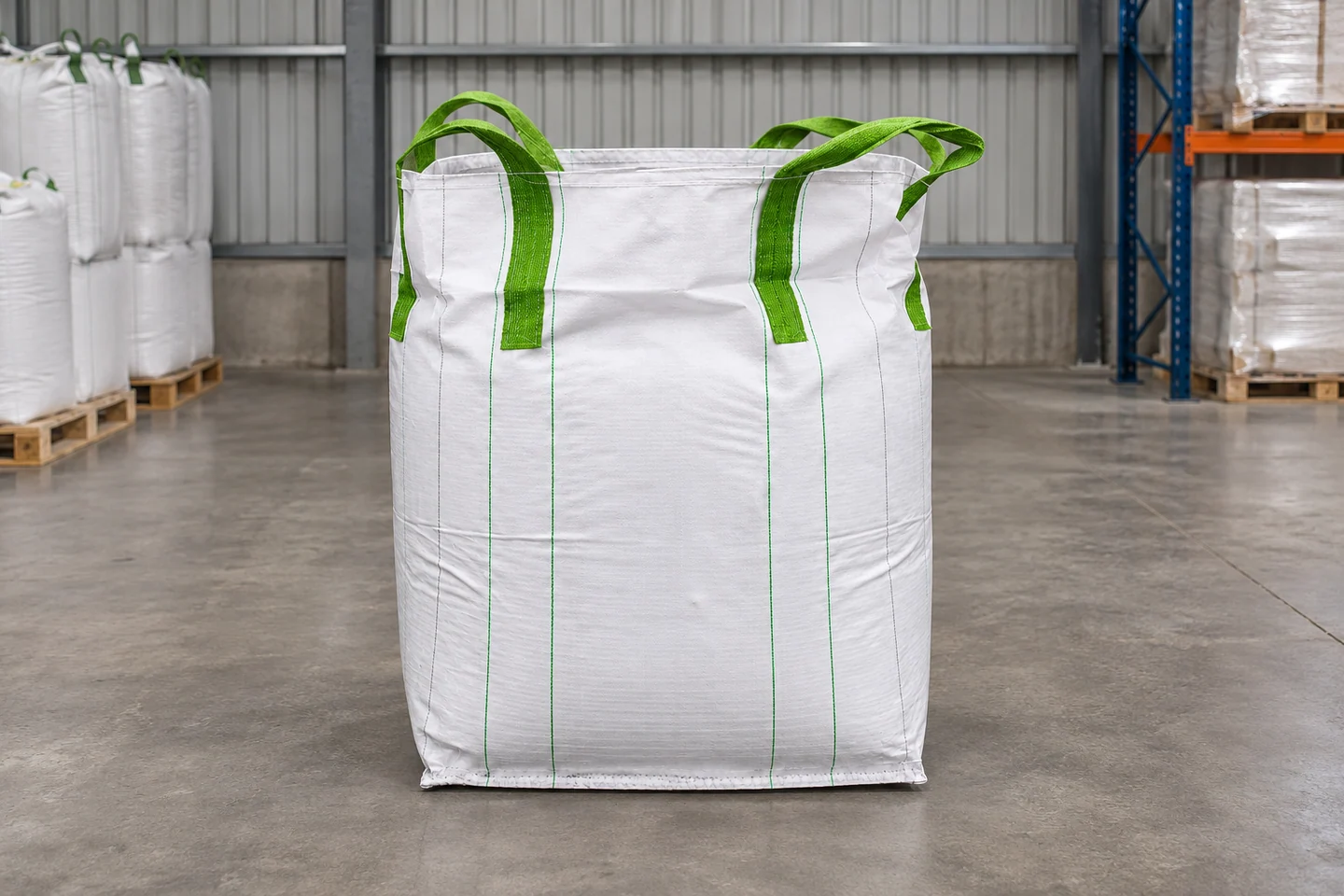
Two sites and one complete route
Qingdao Novapack Packaging Co., Ltd. manufactures woven polypropylene FIBCs in Qingdao, China. Tell us how you will fill and handle this bag so we can review the drawing, components and the checks you need on the selected build.
Map filling, movement, emptying, storage and the return trip. Record who hands over the bag and where its condition and identity are checked.
Mark where the bag becomes empty, where it is inspected, and who decides if it can be released again. Separate a transfer under load from the return of empty equipment.
Keep a route map with the nominated staff member and bag identifier at both sites.
Price each route by approved trips per bag and include return, inspection and handling costs. Store trip history under the bag identifier and record disposition at each site.
Compare catalog candidates
| Catalog candidate | What the description shows | What to confirm for your order |
|---|---|---|
| 1 Tonne PP FIBC Bulk Bag, 90 × 90 × 120 cm – Open Top, Flat Bottom and Cross-Corner Loops | Open top, flat base and 90 × 90 × 120 cm catalog geometry | Use this to discuss example geometry only; request repeat-use evidence separately |
| Custom-Size Virgin PP U-Panel Jumbo Bag with Top and Bottom Spouts | U-panel dual-spout listing | Review closures, liner access and tracking needs for the proposed return route |
Technical references ISO 21898 for non-dangerous goods · FIBCA safe-handling guidance
Construction and Identification for Repeated Use
Specify the exposure points most likely to wear, including seams, webbing, base and closures. Require a clear way to tie the chosen design and sample records to the bag that returns from each trip. Have both sites agree who checks the bag, which observations to record and what ends its service.
Technical background PP tape for woven packaging and FIBC fabric
1 Tonne PP FIBC Bulk Bag, 90 × 90 × 120 cm – Open Top, Flat Bottom and Cross-Corner Loops
FIBC Manufacturing and Quality ChecksThe fabric, webbing, seams and marking belong to one build. Repeat use depends on the model-specific documents and the conditions allowed by the buyer's program.
Ask for the exact drawing and identification scheme before creating inspection forms.
The parts your team will inspect
Arrange recurring checks for the contact points, seams and loops relevant to your route. Ask the responsible teams to record who checks them and how a damaged bag is set aside.
- Standardize inspection at the same pointsMap the base, seams, loop connections and labels by view. Staff at both sites should know which photos and visible conditions trigger a hold for review.
- Acceptance recordAdd sample images and identifier locations to the two-site inspection sheet.
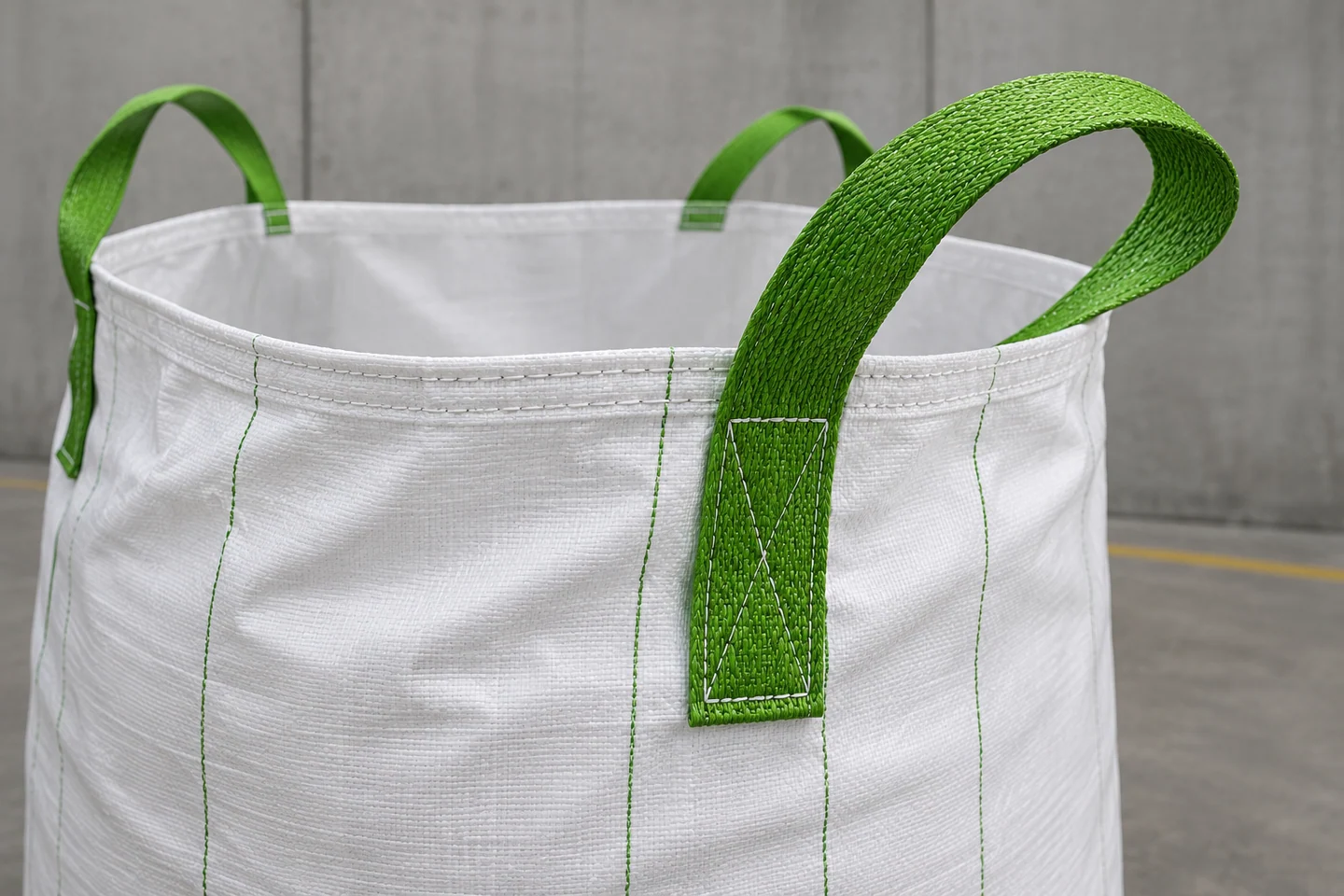
Reuse records for the exact configuration
Request the design records and conditions applicable to repeated use. Compare the documented conditions with how you plan to fill, lift, empty, return and store the bag.
| Technical check | Ask what configurations and conditions the evidence covers and what needs review when they change. Avoid assuming that visual similarity carries over approval. |
|---|---|
| For approval | Use the same exact model and approved use description in the buyer's records. |
Inspection and retirement across sites
Agree the condition criteria, decision owner and traceability at each location. Include a process for bags with missing records or a known abnormal event.
Plan who records trips, holds suspect bags and handles contamination or damage. Make the condition to release, isolate or retire a unit visible to both sites.
Tie the event log to the bag and stop using a unit pending any required review.
A controlled pilot before the repeat order
Give every sample its own identity. After approval for the trial, record each actual trip, condition checks, and when the bag leaves the pilot.
- Set an explicit pilot stopping pointUse one agreed route, load and inspection interval. Capture lost or held bags as well as those accepted so the pilot reflects the real loop.
- Acceptance recordAgree site authorization, identifiers and stop conditions before the pilot.
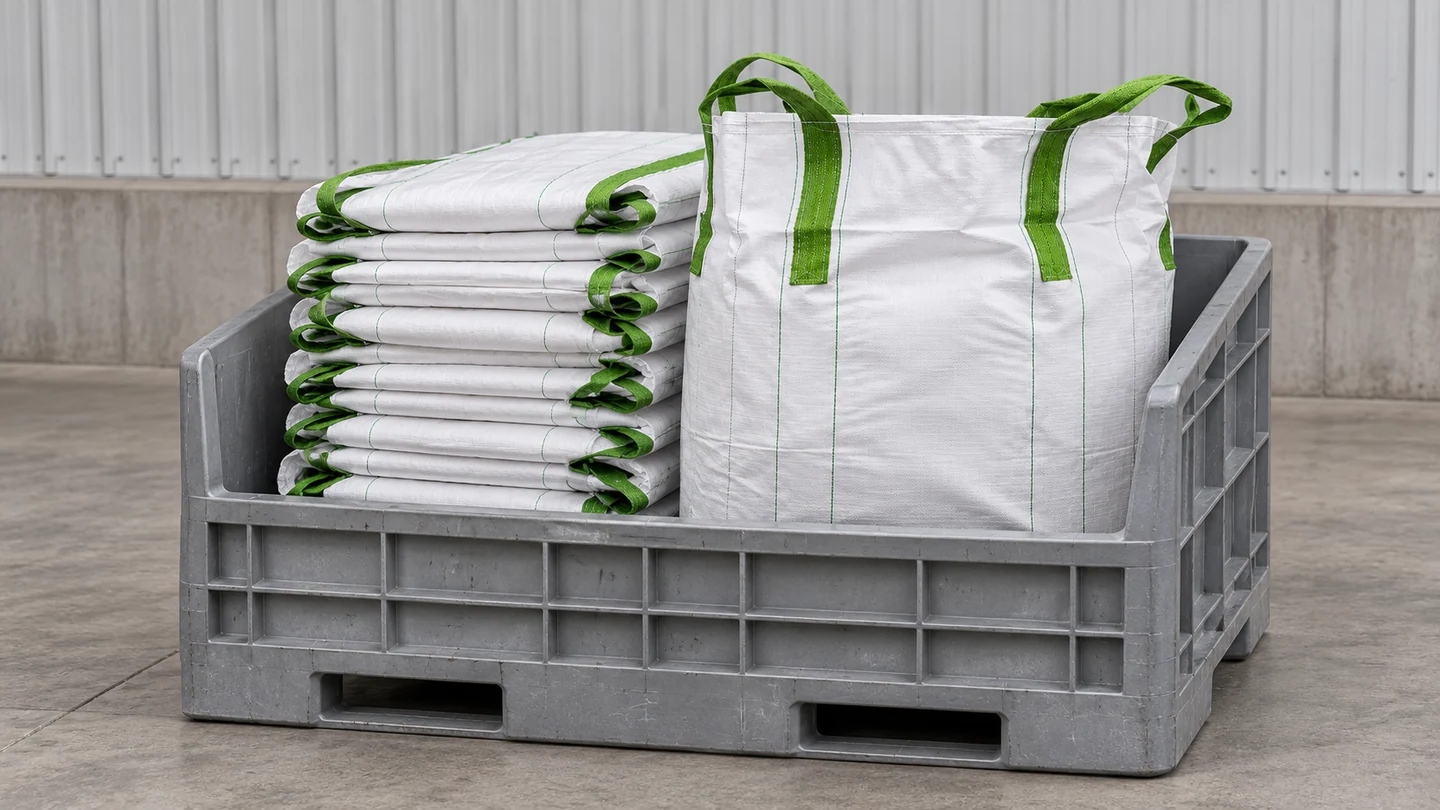
The operating cost per accepted trip
Compare bag price with the time and cost of inspections, cleaning, returns and retirement. Use completed approved trips and your own cost data.
| Technical check | Include purchase price, return logistics, inspection labor and bags held or retired. Compare scenarios with the number of trips your approved program actually accepts. |
|---|---|
| For approval | Use explicit assumptions for loss rate and return costs in the quote comparison. |
A reference sample for both sites
Give the receiving and filling sites the same approved drawing, inspection reference and traceability information. Use one revision identifier on the purchase and pilot records.
- Keep matched samples at both sitesDocument the sample reference and share the approved revision across depots. A part or loop change should reach both sites before replacement stock arrives.
- Acceptance recordKeep a signed receiving checklist and reference images at each site.
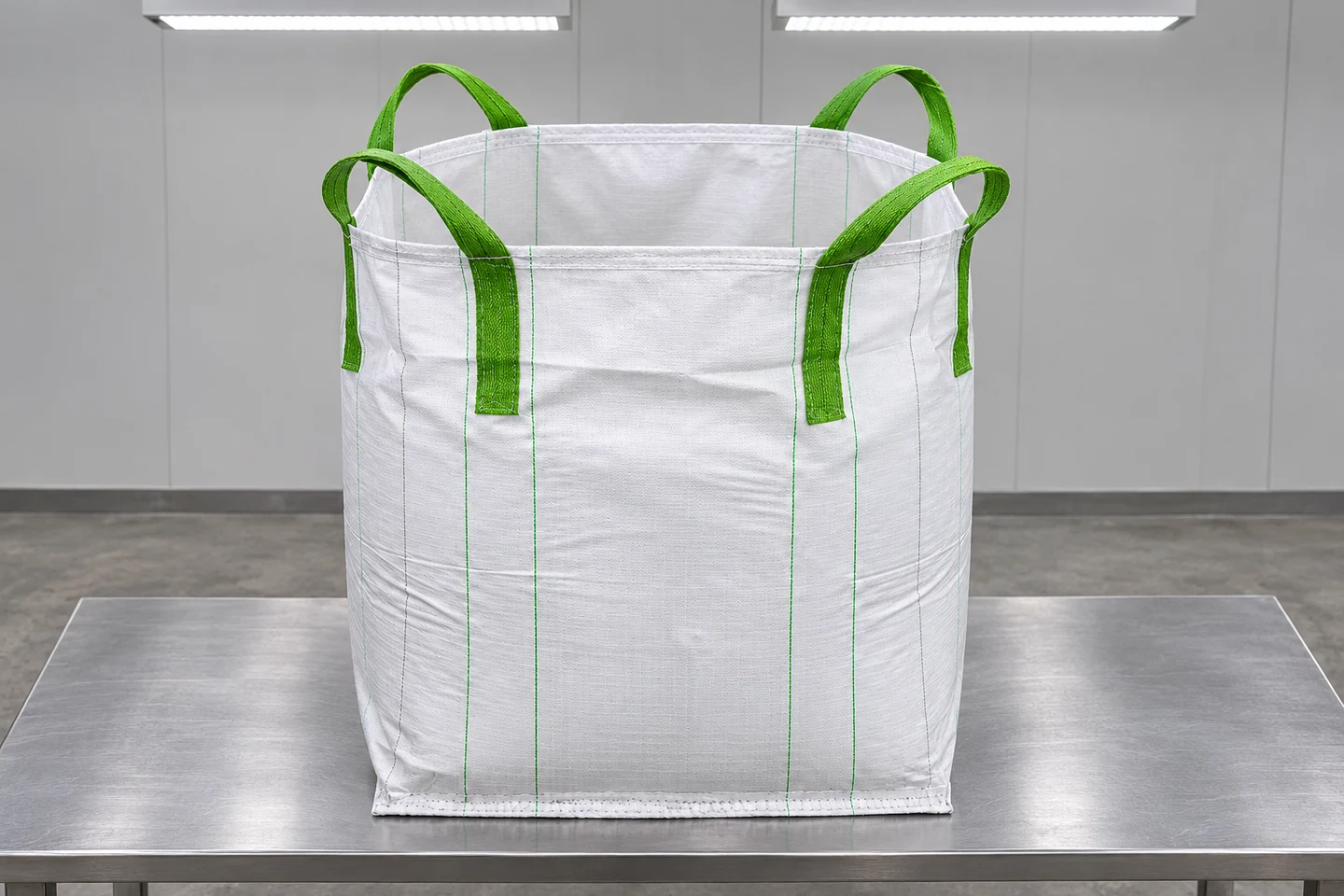
A two-site reuse brief
Send both equipment setups, material, intended operating cycles and your inspection process. Include your safety approval and the design evidence you want to review.
List route, contents, handling and inspection owner, proposed quantity and footprint. Identify which record is needed to support the first trial.
Ask for a model-specific file and a proposed identifier scheme in the quote.
Contact and Quote Details
Send your specification or a reference sample and include the order quantity and destination. Use the inquiry form to start your request. Send drawings or sample photos by email.
- Contact the Qingdao teamTell us what you pack or protect, and identify the operating condition that makes or breaks your purchase. Put the reference sample or drawing number in the message subject so it stays with the order.
- What the factory can reviewAttach the necessary evidence and ask for a sample, drawing review or quotation as the first deliverable.
Junfeng Road, Qingdao, Shandong, China
- [email protected]
- +1 404 203 0971
- Phone
- +86 18506421208
Continue your review
Match the approved sample and drawing to the specification, lot and packing marks.
Follow the handoff from a signed sample to the packed order and receiving records.
Include a drawing or current bag reference, what you pack, the equipment, quantity and delivery destination.