
FIBC Liners, Coatings and Closure Selection
Start by mapping how your product could escape or pick up moisture. A fabric coating, a separate fitted liner and a sealed spout address different paths. Send the existing bag drawing and product requirements so we can review fit and the evidence needed for the exact material.
Before requesting a sample
- Choose the barrier at the failure pointStart with a specific defect such as fine powder at sewing holes, a drifting liner or moisture near a closure. The bag, coating and insert should be quoted as separately identified components.
- Inputs for your first reviewSend a failure photograph and indicate whether fit, loss, or barrier data is most important.
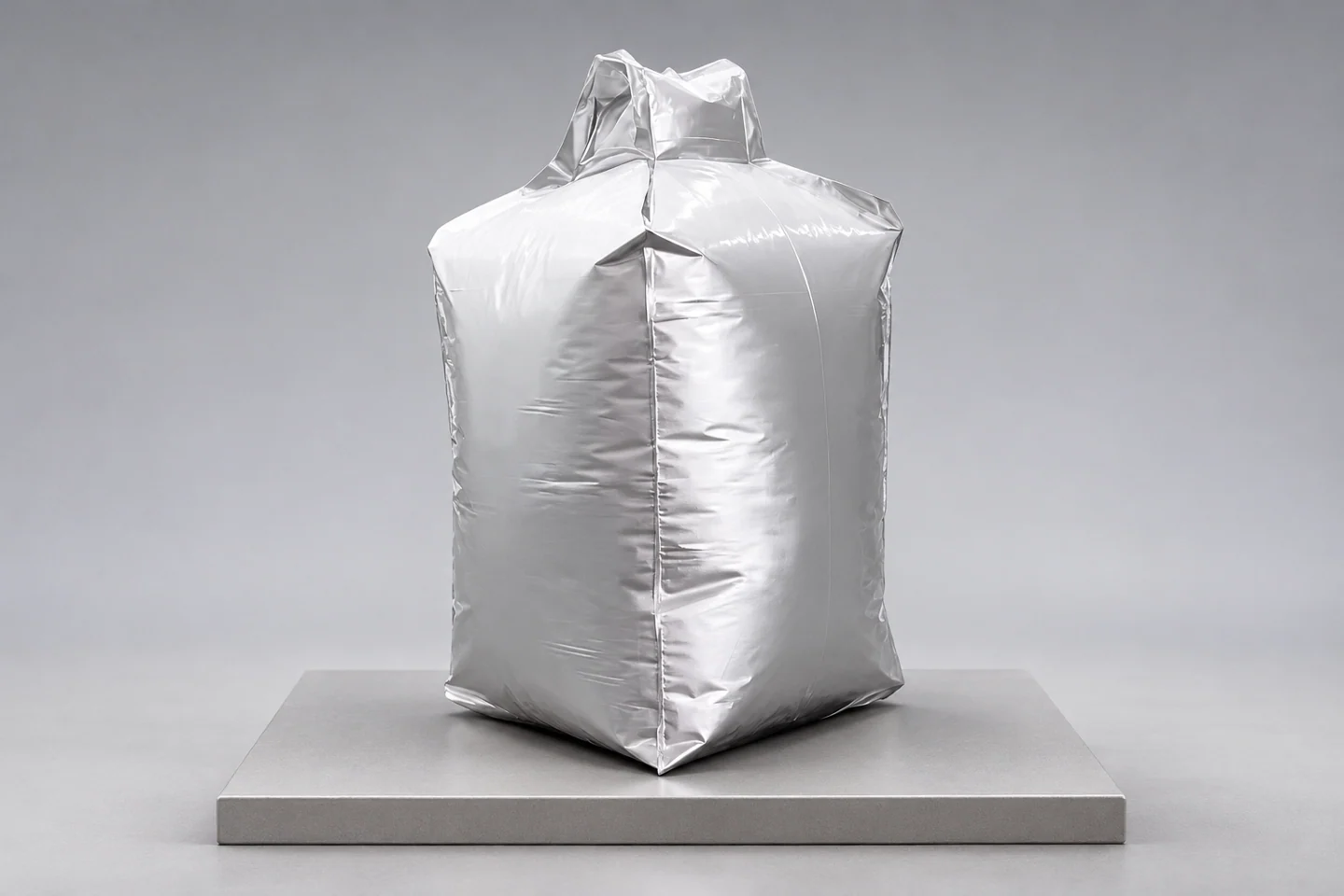
Coated woven body and separate inserts
Coating sits on the woven surface. An insert has its own layer structure, seals and closure details. Review points where the product contacts stitching, the liner neck or the actual closure.
- Coating
Relevant when passage is through the woven face. Check seams as a separate leakage path.
- Fitted liner
Useful when the product needs a separate enclosure. Check fit and closures against the outer bag.
- Closure detail
Check whether the escape or ingress is at a sleeve, tie or liner seal before changing materials.
A coating covers the fabric face. A fitted liner has a body, bottom, neck and joins of its own. The buyer can inspect those interfaces even when exact barrier figures are still under review.
Ask for an assembly sketch distinguishing fabric, coating, seams and film closures.
Catalog examples to review
Compare the actual film and fitted liner shape against your barrier and closure needs.
Use the dual-spout bag to check both neck interfaces on the drawing.
Compare the openings, loop layouts, coated construction and other available options for your job.
Fitted PE and foil laminate candidates
A protective PE layer and an aluminum-film laminate can be compared only after you confirm the grade, construction and thickness. Our catalog shows a formed aluminum-film option, along with other liner references for enquiry.
How Woven FIBC Bulk Bags Are MadePE and aluminum laminate describe possible families. Ask for grade, thickness or layer stack and intended contact conditions rather than signing off from the material family alone.
Keep the quoted exact grades and usage conditions beside the samples.
Folds, bottom and neck position
Specify flat or formed base, body dimensions, neck locations and whether the liner is attached or removable. Check that folds or excess material cannot obstruct the opening in an approved fit check.
- Choose the closure geometry before converting filmBody and bottom dimensions place the folds; a misplaced neck can shift when the liner enters the spout. Review fitted liner and outer shell together on a marked drawing.
- Acceptance recordSign the body dimensions and both neck centerlines, and identify which folds must lie flat.
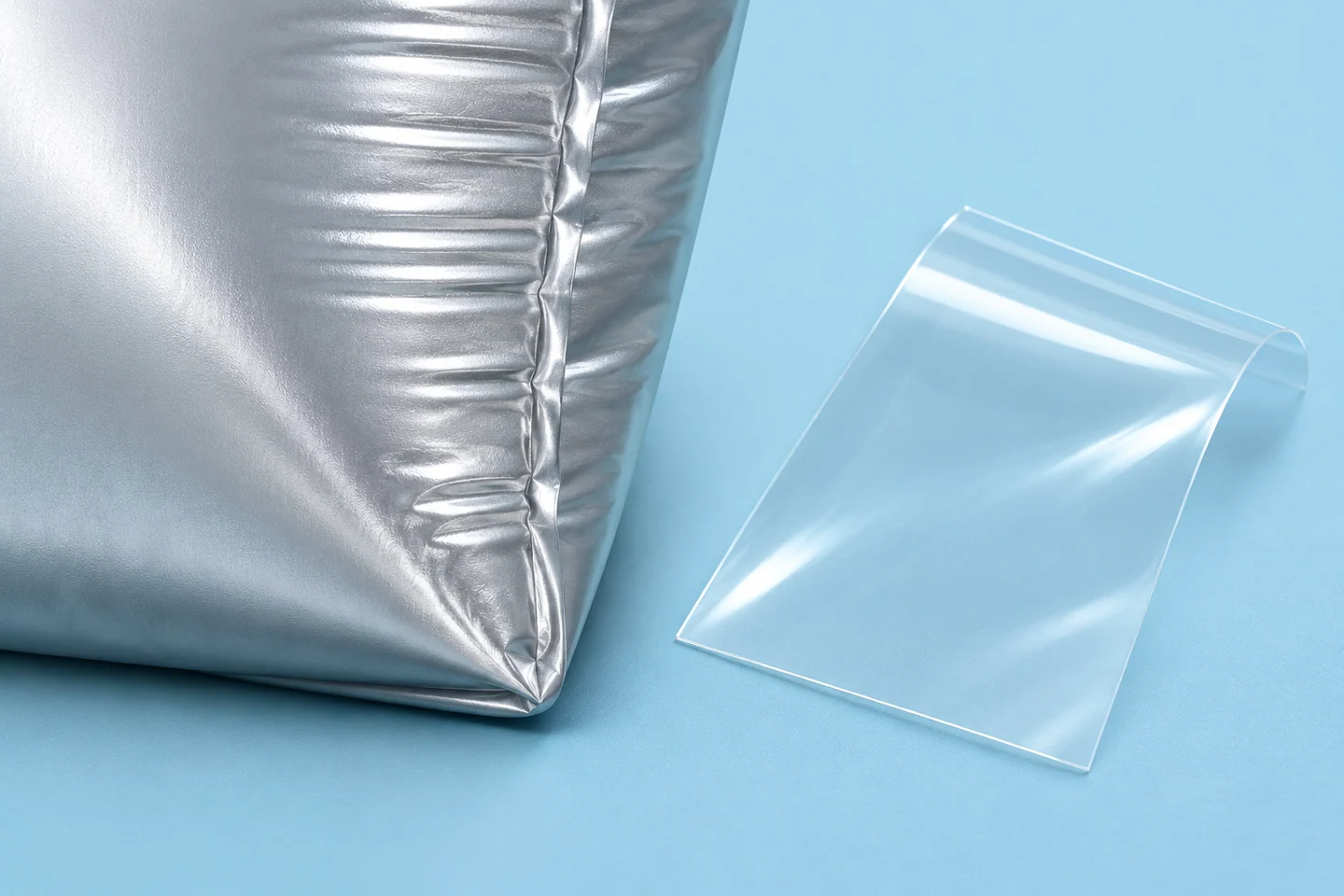
Water-vapor data for the same conditions
Ask for results on the exact laminate at the same temperature and relative humidity. Record the units, sampling and test method. Review seals and the assembled liner separately.
- Film identification
Record the exact grade and layer construction used for the tested specimen.
- Test conditions
Compare method, temperature, relative humidity and units on both reports.
- Finished liner
Check the seams and closures separately from the film data.
| Technical check | Use WVTR figures only with named methods, units, temperature and humidity conditions. A coupon of film and a finished sealed insert answer different questions. |
|---|---|
| For approval | Request film test conditions and assembled-seal verification as separate line items. |
Top and bottom interfaces
Locate the upper neck and any bottom discharge sleeve on a drawing. When you can, record sleeve diameter, usable reach, layout and intended closure for each neck separately.
Calculate how much liner neck remains accessible after assembly, at each mouth. A flat length can include film that is inside the shell or taken up by the joint.
Record the usable length and required closure at both fill and discharge.
Checking liner fit with an empty bag
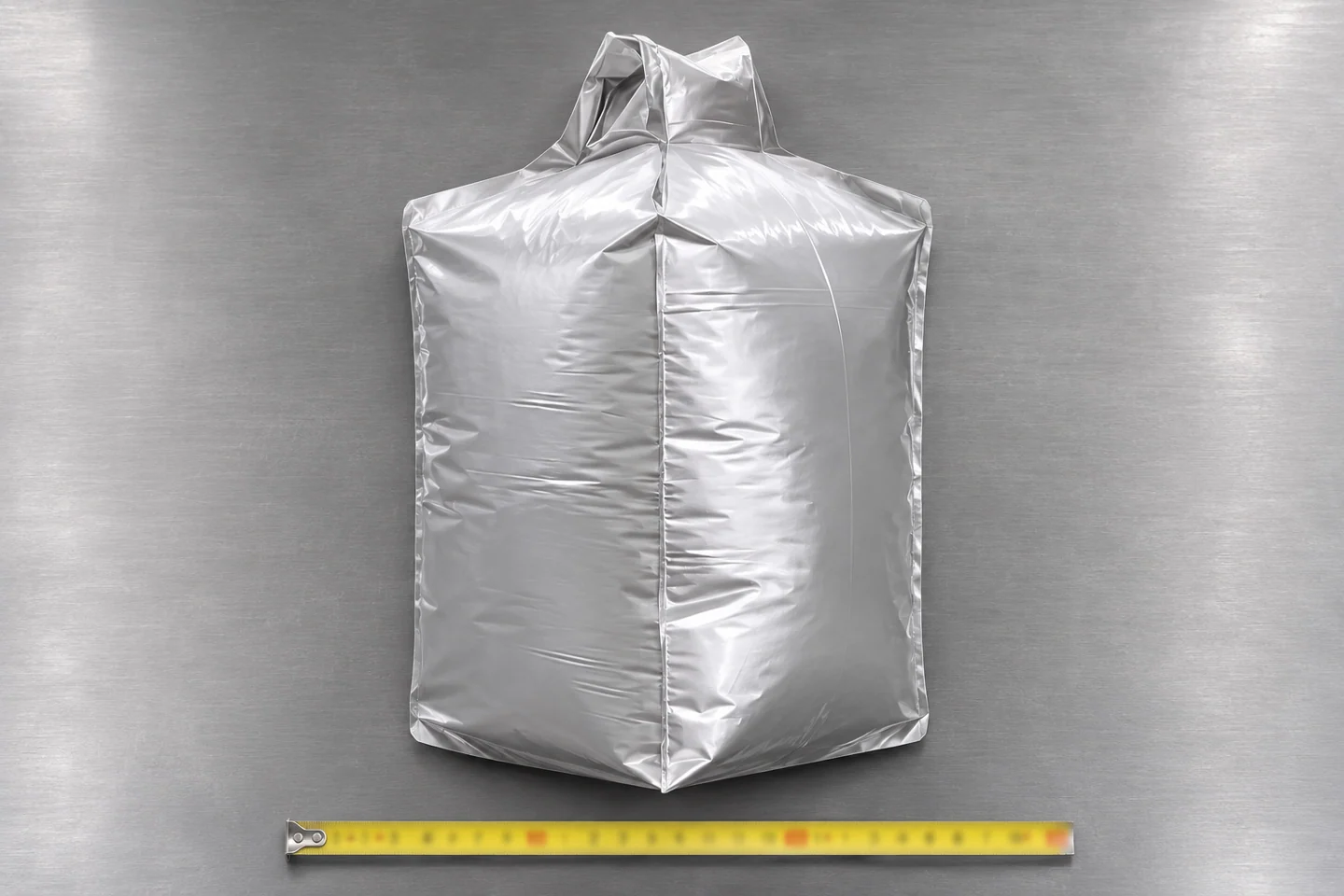
Begin with the exact outer bag and liner samples. Measure the base and top without stretching, then check where the components sit relative to the access opening and spouts.
- Measure the assembled fit without stretchingInspect where the liner turns into the base corners and where it sits inside each spout. Photograph any overlap or excess film that crowds the opening.
- Acceptance recordSave fitted photos alongside an ID for the exact liner and exterior sample.
Special contact and use requirements
If material contact or electrostatic classification matters, request the documentation for the exact assembled bag and liner. Verify use conditions before approving the build.
| Technical check | State any contact requirement, electrostatic classification or special use condition for the exact assembled system. Have the buyer's responsible team review relevant documents. |
|---|---|
| For approval | Use separate scope entries for film, bag, assemblies and end-use conditions. |
Closure and handling trial
After fit is agreed, check how your site actually closes and handles the liner. Keep any agreed test and observations tied to the same sample identifier and material.
- Compare two folds or closures consistentlyUse the same sample route, measurement plan and handling approvals if a closing arrangement is changed. Mark the observed pinch or fold before converting another liner.
- Acceptance recordKeep the comparison tied to sample IDs and which closure is approved.
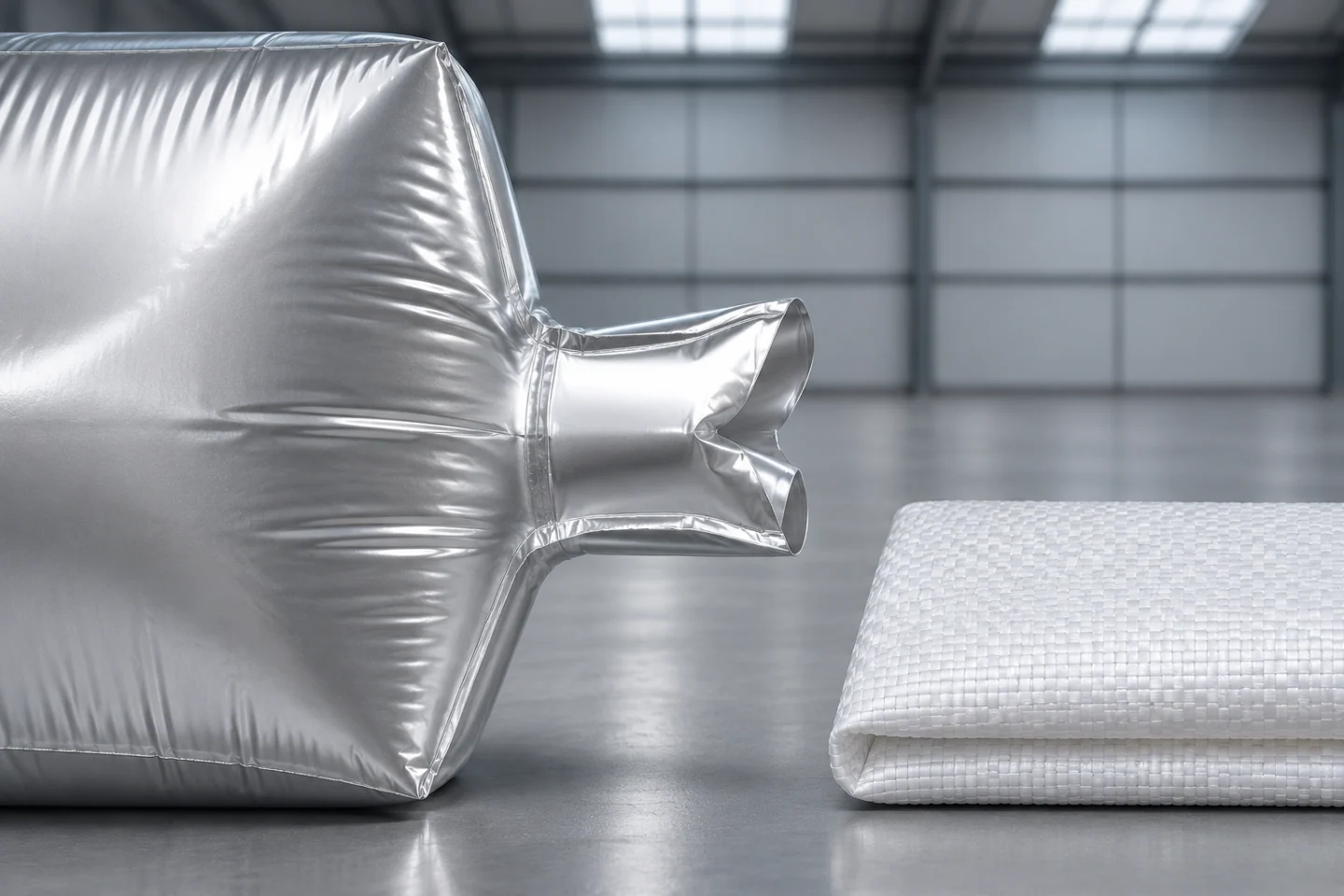
A liner as its own drawing item
One buyer drawing identified a separate 80 μm liner and marked inlet, outlet and attachment points. This example shows which fields to request. Select the film thickness, neck layout and test requirement for your own intended contents.
Keep film designation, fit geometry and closures distinct from the outer bag drawing. When one item changes, note the revised assembly combination.
Specify the liner reference in the order and ask the factory to identify it in the acknowledgment.
Send the liner requirement
Share dimensions, drawing and details of the contents. Include any required barrier value, temperature and humidity, closure layout, quantity and destination.
Request a Quote- Share the outer bag and the barrier needSend the exact drawings, the product and environment, the relevant closure and the quantity. Mark dimensions taken from the actual bag separately from desired dimensions.
- What the factory can reviewAsk for a fitted sample and a named record covering the use condition at issue.
Junfeng Road, Qingdao, Shandong, China
[email protected]WhatsApp +1 404 203 0971
+86 18506421208
Continue your review
See where the woven body, seams, webbing and sleeves meet on the finished bag.
Match the approved sample and drawing to the specification, lot and packing marks.
Include a drawing or current bag reference, what you pack, the equipment, quantity and delivery destination.