
FIBC Bags for Cement That Leaks at the Seams
When cement escapes from a seam, photograph the leak before changing the bag. Coating addresses the fabric face, seam details address the stitch line, and a fitted liner adds another barrier with its own closures. Compare the relevant constructions on the same cement and filling route and record where any dust still escapes.
Before requesting a sample
- The starting specificationMark any dust after filling, after approved transfer and after emptying. Repeated dust at a stitch line points the comparison toward stitching, while dust clustered at a cuff needs a different closure check.
- Inputs for your first reviewSend photographs with each location and time labeled and the existing bag code in view.
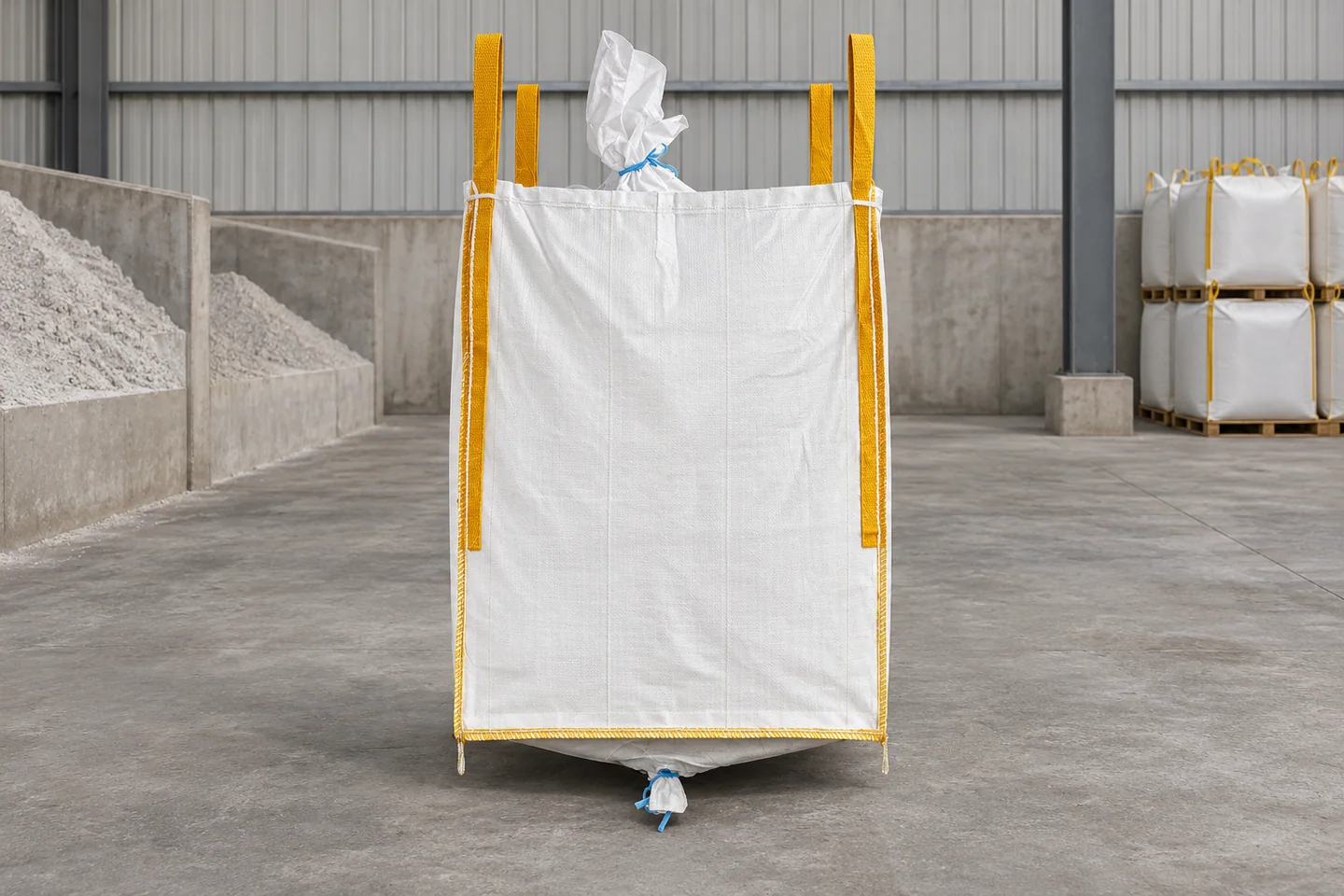
The dust path through the current bag
Qingdao Novapack Packaging Co., Ltd. manufactures woven polypropylene FIBCs in Qingdao, China. Tell us how you will fill and handle this bag so we can review the drawing, components and the checks you need on the selected build.
Inspect the fabric face, sewing lines and spout junctions after your normal job steps. Photographs of the same bag before and after handling can reveal where the trial should focus.
Repeated dust at a stitch line points the comparison toward stitching, while dust clustered at a cuff needs a different closure check.
Use the result to rule out unmatched models before requesting a production quote.
Trial log: mark the same seam and sleeve locations, then record observed loss at filling, after handling and at discharge. Keep the cement grade and fill mass constant.
Compare catalog candidates
| Catalog candidate | What the description shows | What to confirm for your order |
|---|---|---|
| White PP U-Panel Cement Jumbo Bag with Fill and Discharge Spouts | U-panel dual-spout listing with an approximate 90 × 90 × 110 cm reference size | Request coated-body and seam-detail variants on the same drawing |
| Circular PP FIBC Bulk Bag with Fill Spout for Sludge or Cement | Circular body with a fill spout and flat base | Check body and base separately if dust appears under the bag |
| Sealed Aluminum Foil FIBC Jumbo Bag for Cement Packing – Flat Bottom, Custom Sizes | Aluminum-film construction reference for cement packing | Confirm whether your sample is a lined bag or a separate membrane and define the closure |
Technical reference ISO 21898 for non-dangerous goods
Coating, Sewing and Liner Assembly
A coating follows the fabric surface. Sewing creates a separate path at needle holes and joining edges. A fitted liner has its own seams and exits at the sleeves. Ask for the seam and cuff details on the same quote, and agree where to inspect or measure dust during a comparison of candidate samples.
Technical background PP tape for woven packaging and FIBC fabric
FIBC Liners, Coatings and Closure SelectionThe woven panel, sewing seam and fitted liner form different barriers. Make the target leak path explicit before changing a costlier set of components.
Request a marked assembly: coated surfaces, stitched joins, liner seams and both closure points.
The seam sample that goes with the quote
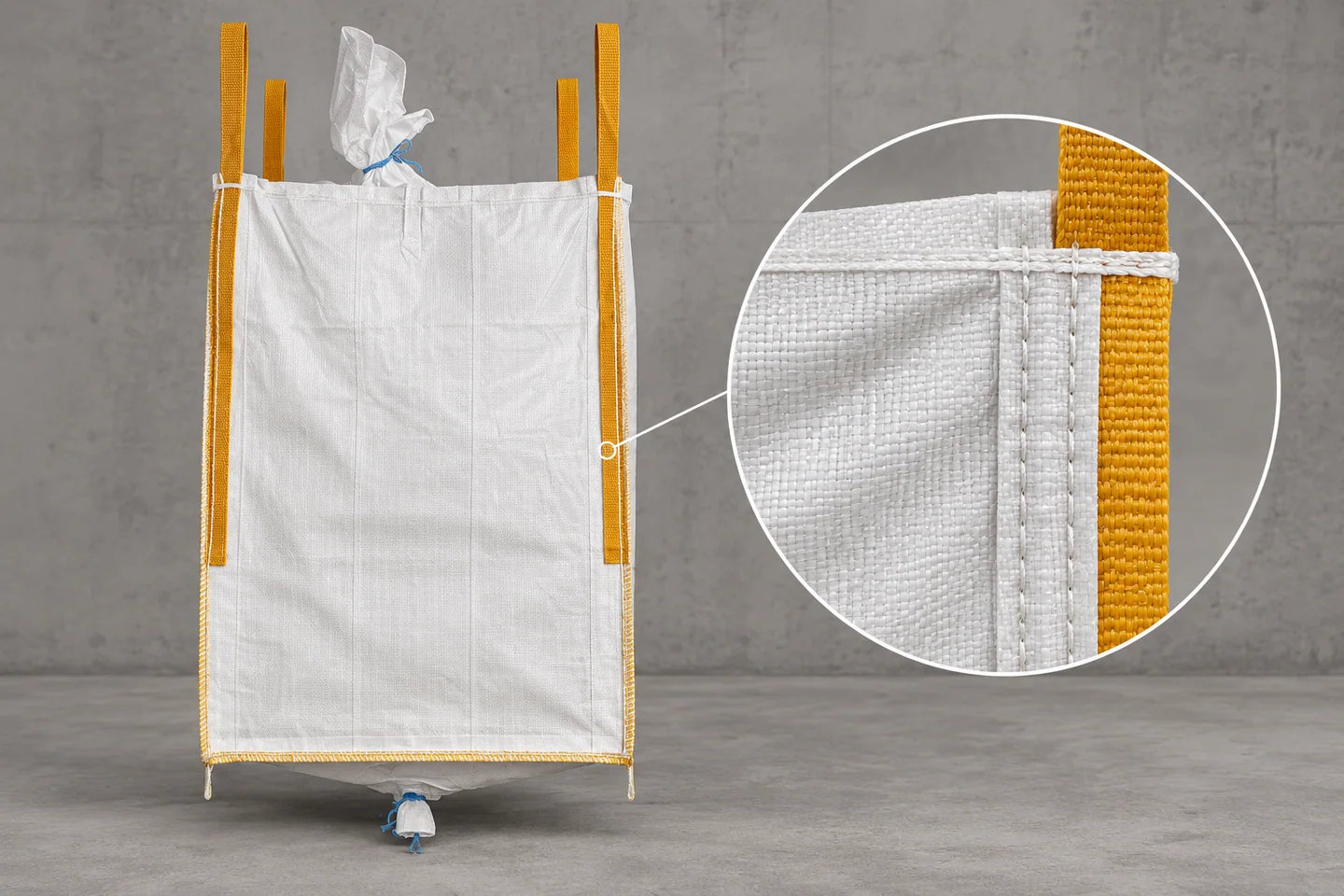
Ask for a close sample or drawing of the proposed seams at the body and the base. Keep it with the bag drawing and agree which joints need the same construction.
- Read the seam sample in the right directionCheck the straight run and each place where the stitch crosses a fold or joins another seam. Powder may concentrate where layers bunch or terminate.
- Acceptance recordMark inlet, discharge and corners on the stitch sample and keep a close-up per junction.
The liner and its closures
A liner needs to fit the bag and work with the filling and discharge connections. Include the position of the liner necks, attachment points and how you intend to close them.
- Fabric face
Log dust on a plain woven panel and compare the specified coating where relevant.
- Stitch line
Photograph the same stitch and fold junctions after each trial.
- Sleeve and closure
Record dust at the fill point and discharge separately so the closure design can be compared.
| Technical check | Tie an insert to the approved outer bag geometry and closure detail. A film grade on a quotation does not establish a fitted neck or confirm the liner will remain correctly positioned. |
|---|---|
| For approval | Ask for a liner drawing with upper and lower neck dimensions and closure references. |
A comparison using the same cement
Keep the cement, weight and handling sequence consistent between trial bags. Record where and when material appears and agree the acceptance criteria before the test.
Use the same grade, load, equipment and inspection locations across candidates. Distinguish visible outside dust from residue inside after discharge.
Record the sample codes and observed dust by stage using one comparison sheet.
Inspection after filling and handling
A result at the filler tells you about the first stage. Recheck the sample after the parts of your handling route that normally introduce the dust issue.
- Inspect three points after transferExamine the side seam, base transition and mouth after the same approved transport or handling interval. Record a failure at its source instead of assigning one general score.
- Acceptance recordUse the same lighting and viewpoint for the before-and-after photographs.
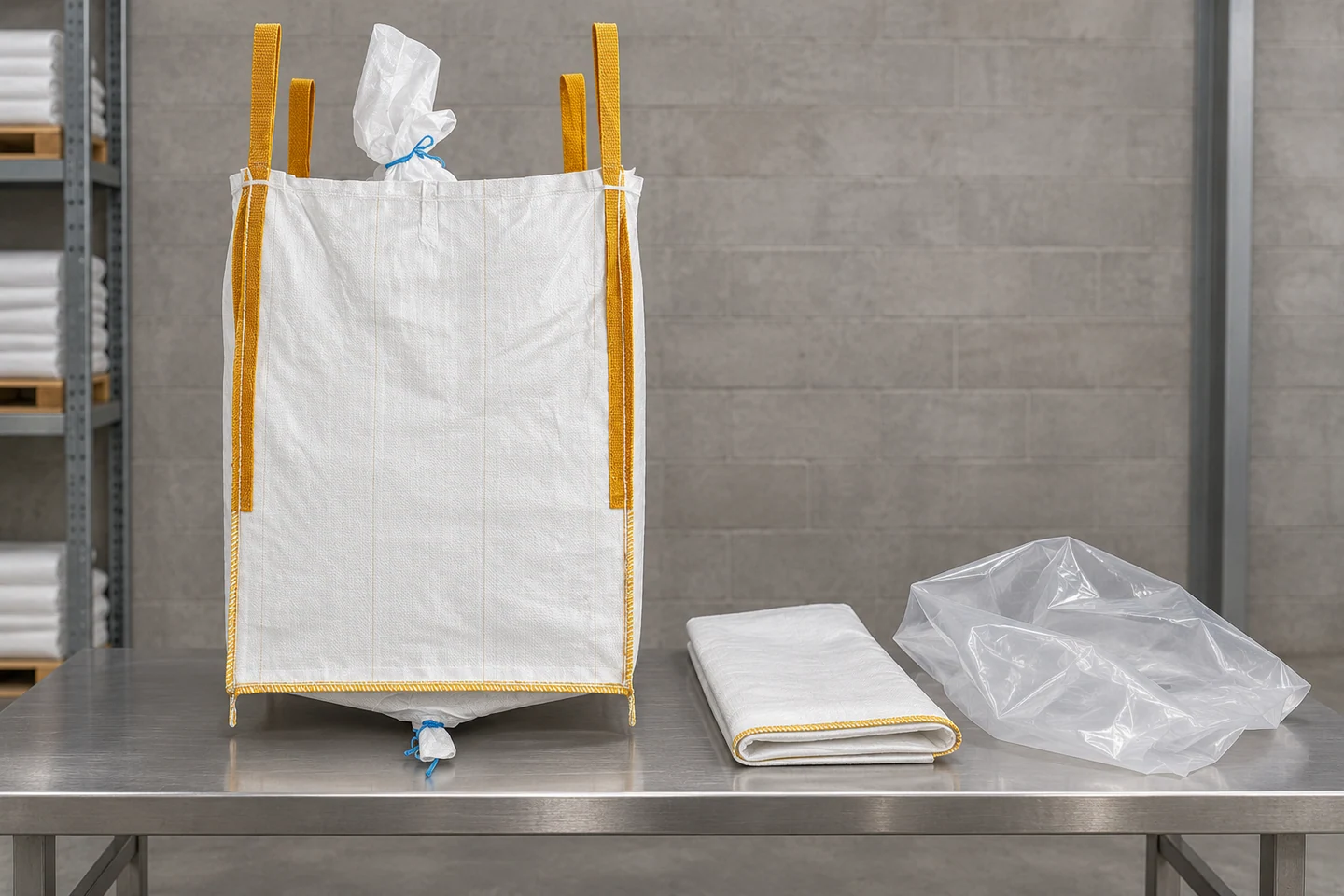
Evidence tied to the quoted construction
Keep the liner specification, seam sample and trial notes together. Give the quote a construction reference so the purchasing team can identify the same package later.
| Technical check | File the approved drawing, seam or liner details and closure against the sample code. A change in film, seam or cuff deserves its own review even if empty dimensions are unchanged. |
|---|---|
| For approval | Ask for the factory order acknowledgment to reflect every feature that addressed leakage. |
The spout as a separate leakage source
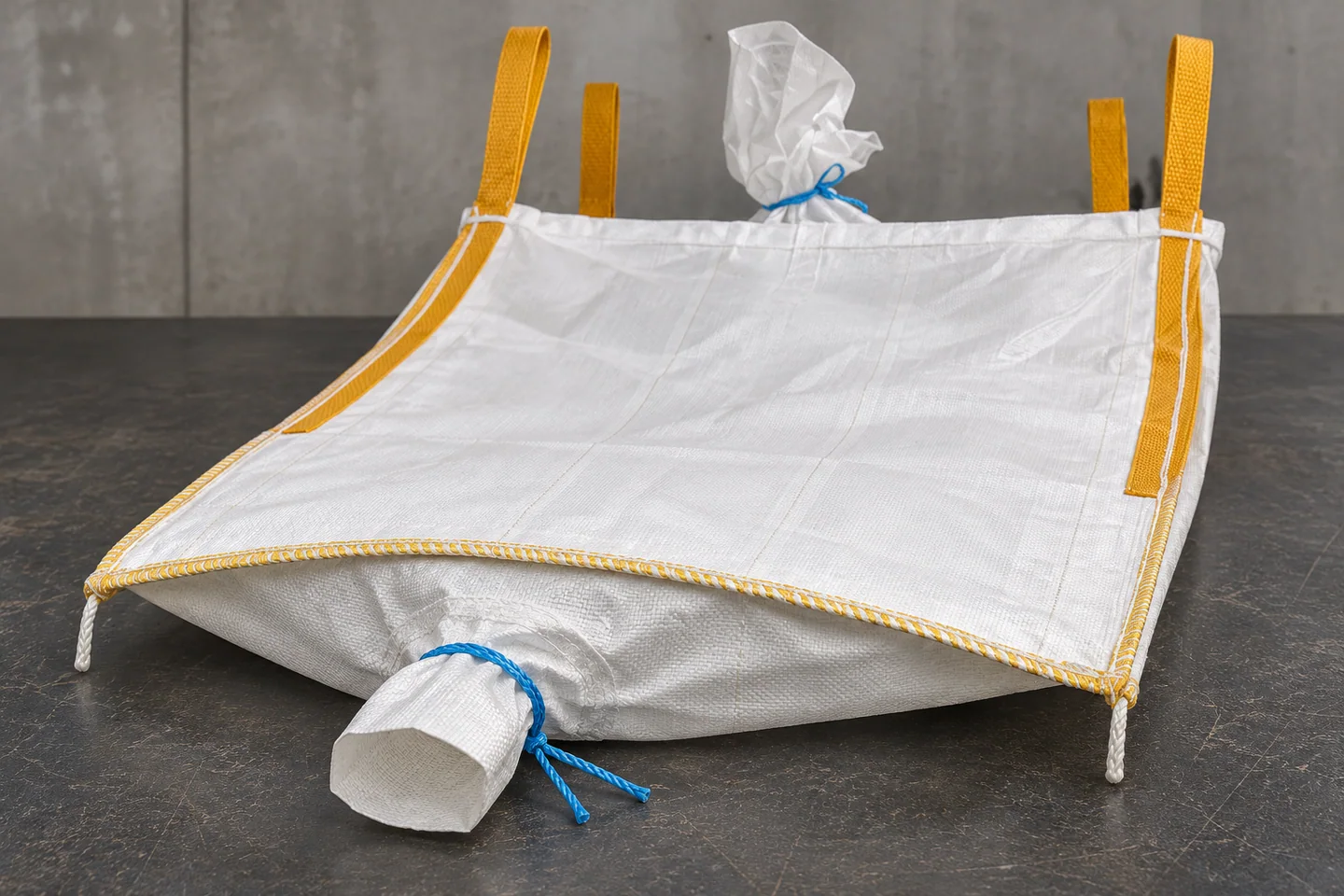
A film or seam change can leave the spout connection unchanged. Mark any dust at the cuff or closure in its own trial column and review it against the equipment interface.
- Treat spouts as independent sealsRecord where the closing tie or cuff sits and what part of the equipment it contacts. Check line clearance when the sleeve is folded back or fitted with the liner neck.
- Acceptance recordRequest a dry fit check with an exact sample to validate access before arranging a powder trial.
A cement bag trial request
Send the current specification, cement grade, leak photos and when the loss occurs. Include your filling and discharge details so we can discuss the first sample set.
Include material grade, the three leak observation stages and where your current product fails. Request optional coating, seam treatment and liner as separately costed constructions.
Agree how each candidate passes or fails using your inspection record and the same line conditions.
Contact and Quote Details
Send your specification or a reference sample and include the order quantity and destination. Use the inquiry form to start your request. Send drawings or sample photos by email.
- Contact the Qingdao teamTell us what you pack or protect, and identify the operating condition that makes or breaks your purchase. Put the reference sample or drawing number in the message subject so it stays with the order.
- What the factory can reviewAttach the necessary evidence and ask for a sample, drawing review or quotation as the first deliverable.
Junfeng Road, Qingdao, Shandong, China
- [email protected]
- +1 404 203 0971
- Phone
- +86 18506421208
Continue your review
Compare fabric coating, a fitted insert and the actual closure at the bag openings.
Compare this guide’s equipment, material and sample checks with your requirements.
Include a drawing or current bag reference, what you pack, the equipment, quantity and delivery destination.